FRAMELESS, SEMI-FRAMELESS, OR FRAMED
Choosing Your Shower Enclosure
A shower enclosure is one of the most noticeable features in any bathroom. It shapes how open the space feels and how much upkeep it needs. If you’re planning a remodel or replacing an aging enclosure, you have three main styles to choose from.
Each one comes with its own look, price range, and maintenance needs. Let’s walk through how they compare.
Framed Shower Enclosures
A framed enclosure has metal framing around every edge of the glass. That frame carries the weight of the panels, so the glass can be thinner. This is typically the most budget-friendly option, and it works well for both pivoting doors and bypass, or sliding, configurations.
What to know about framed enclosures
Framed enclosures still work well, especially in guest bathrooms or rental properties. They’re practical, watertight, and easy on a budget.
Semi-Frameless Shower Enclosures
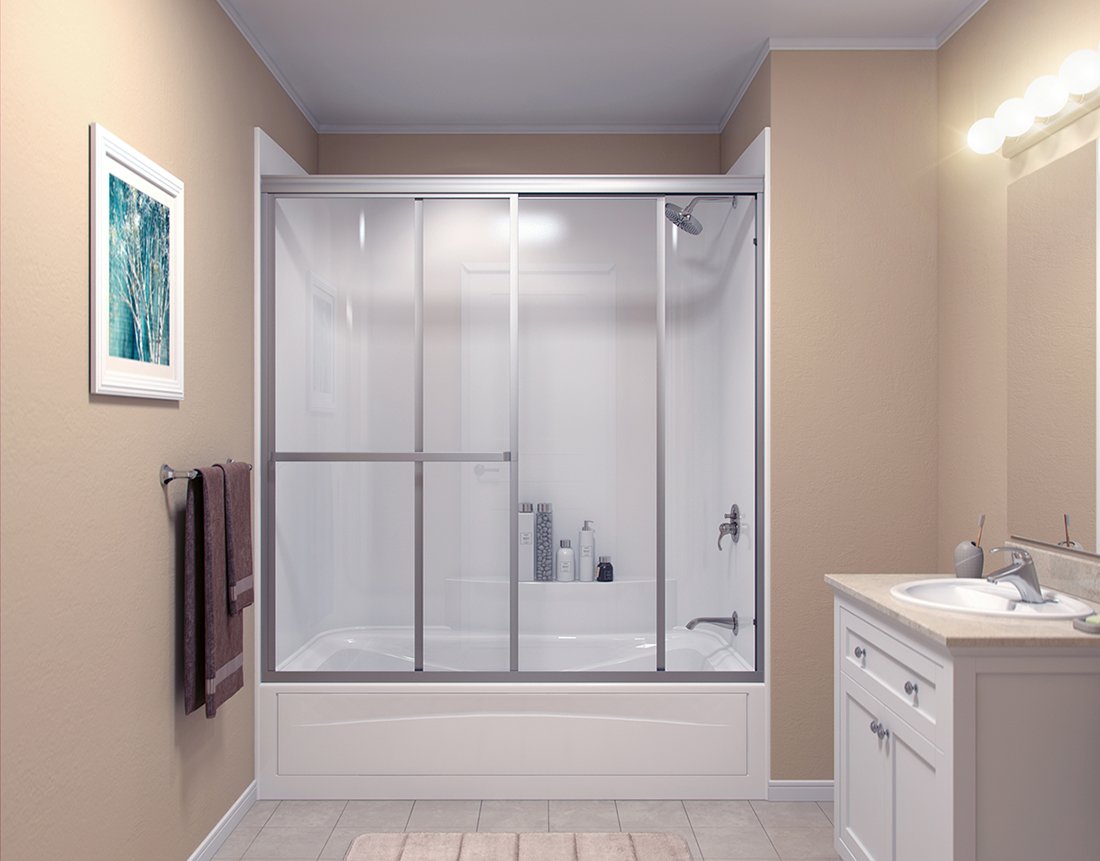
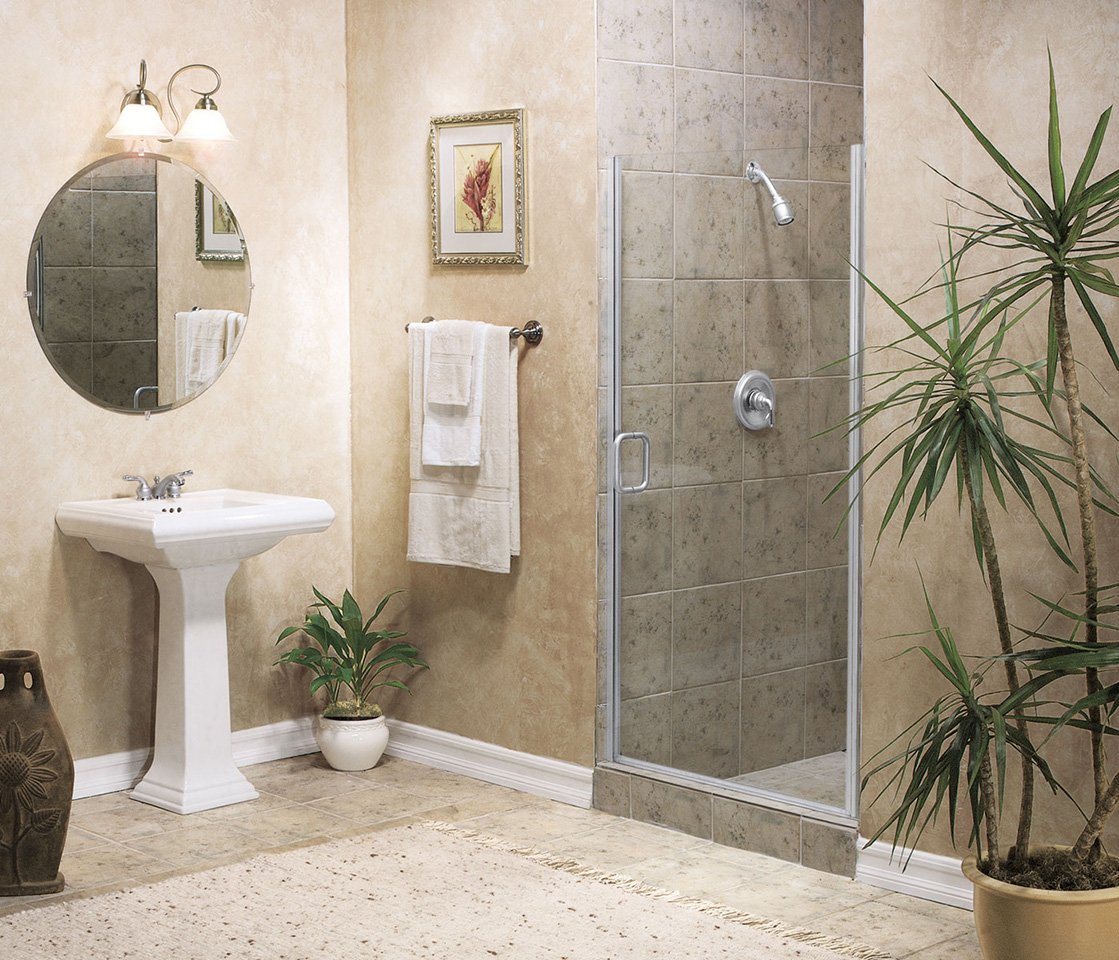
A semi-frameless enclosure is a middle ground. It uses framing in some places but leaves other edges exposed. This style is common in bypass, or sliding, configurations, since the track requires some framing, while still offering a more open look than a fully framed enclosure.
What to know about semi-frameless enclosures
Many homeowners land here when they want something more modern than framed without stretching the budget.
Semi-Frameless Shower Enclosures
A semi-frameless enclosure is a middle ground. It uses framing in some places but leaves other edges exposed. This style is common in bypass, or sliding, configurations, since the track requires some framing, while still offering a more open look than a fully framed enclosure.
What to know about semi-frameless enclosures
Many homeowners land here when they want something more modern than framed without stretching the budget.
Frameless Shower Enclosures
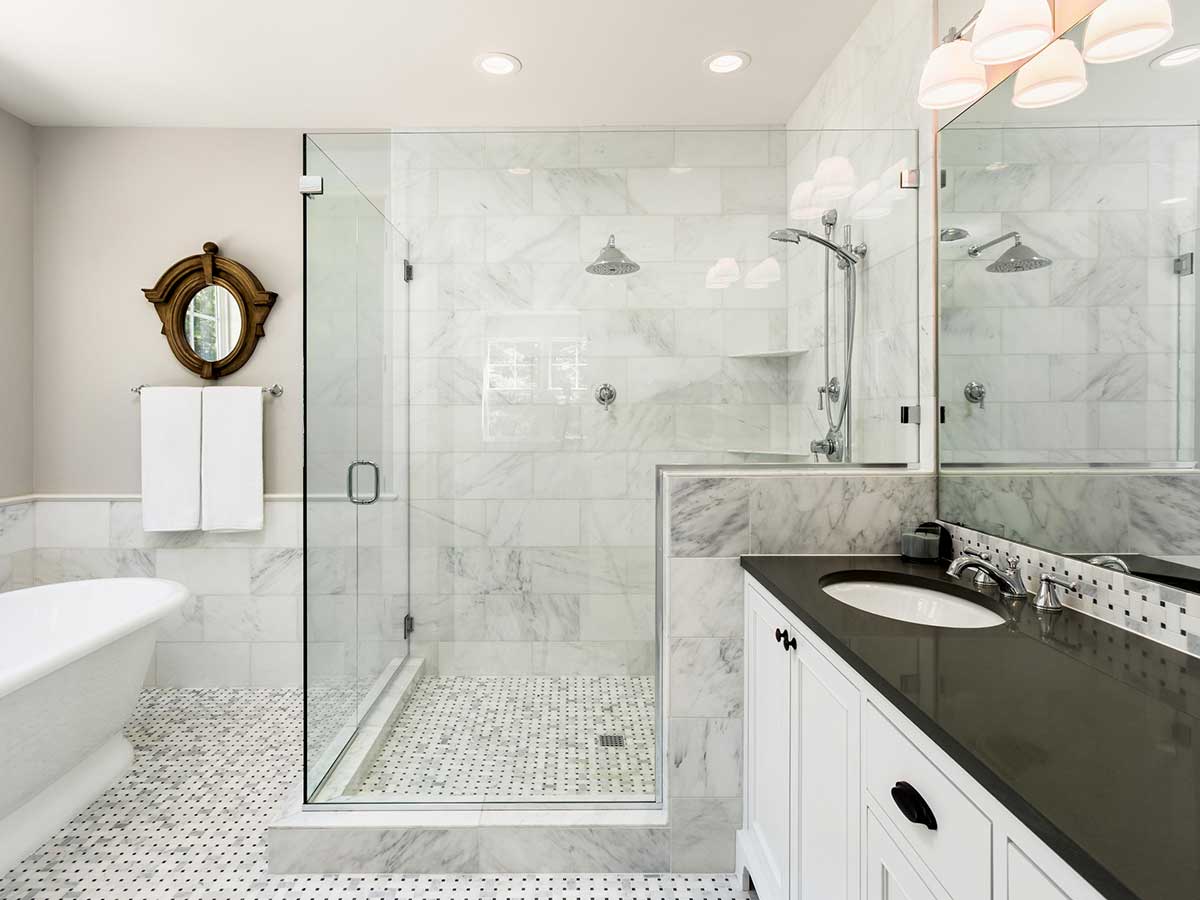
A frameless enclosure uses little to no metal framing. The glass itself carries the load, so it has to be thicker. Hinges, clamps, and clips mount directly to the wall or glass. Frameless enclosures are typically built as hinged, pivot, or fixed-panel doors rather than bypass, since a sliding track doesn’t fit the frameless design.
What to know about frameless enclosures
Frameless tends to be the choice when the shower is a focal point of the bathroom. It also helps smaller bathrooms feel more open, since there’s less visual clutter.
Clear, Low-Iron, or Frosted?
Style isn’t the only decision. You’ll also choose the glass itself. All shower glass is tempered for safety, a requirement we cover in more detail in our post on safety glass. From there, some homeowners want the clearest possible view and choose low-iron glass like Starphire. Others prefer frosted or textured glass for added privacy.
Our post on glass for privacy and style walks through those options in more detail.
Hardware and Finishes
The glass isn’t the only design choice. Hardware style and finish make a real difference in how the finished enclosure looks and feels. Hinges and clamps come in a range of shapes, including beveled, rounded, and square edges. Frameless enclosures can also use U-channel instead of clamps, a track-style hardware option that holds the glass in place along the wall, floor, or ceiling. It’s less common than clamps but still a solid option depending on the design.
Finishes range from brushed nickel and matte black to bronze, chrome, and more.
We work with trusted, established hardware manufacturers, so you’re choosing from proven, quality options rather than guessing.
Why Measurement Matters So Much
Shower openings are rarely perfectly square. Walls shift over time, and tile thickness varies. Curb height and slope can differ from one end to the other.
This is why an in-person measurement matters. A properly measured enclosure fits the actual opening, which means fewer gaps, better sealing, and hardware that works the way it should. Standard, off-the-shelf doors often leave gaps that lead to leaking or binding hinges.
Thinking About Long-Term Upkeep
Cost isn’t the only thing worth comparing. Consider how much cleaning you want to do.
Framed and semi-frameless enclosures have more channels where soap scum and hard water build up. Frameless enclosures have fewer places for that buildup to collect. If hard water is an issue in your area, ask about a protective coating. It won’t replace regular cleaning, but it does make the glass easier to maintain.
Come See the Options in Person
Photos only tell you so much. Stop by our showroom to see the hardware finishes, glass options, and enclosure styles up close. Seeing the difference in person often makes the decision much clearer.
Let’s Build Your Shower Enclosure
Whether you’re leaning framed, semi-frameless, or frameless, we can help you find the right fit for your space and budget. Fill out the quote form on our homepage to get started.