TEMPERED VS. LAMINATED GLASS
Which Safety Glass Is Right for Your Home or Business?
If you’re planning a window, shower, storefront, or door project, you may run into a common question. Should you choose tempered glass or laminated glass? Both are considered safety glass, but they work in different ways. Understanding the difference can help you choose the right option for your space.
It All Starts With Annealed Glass
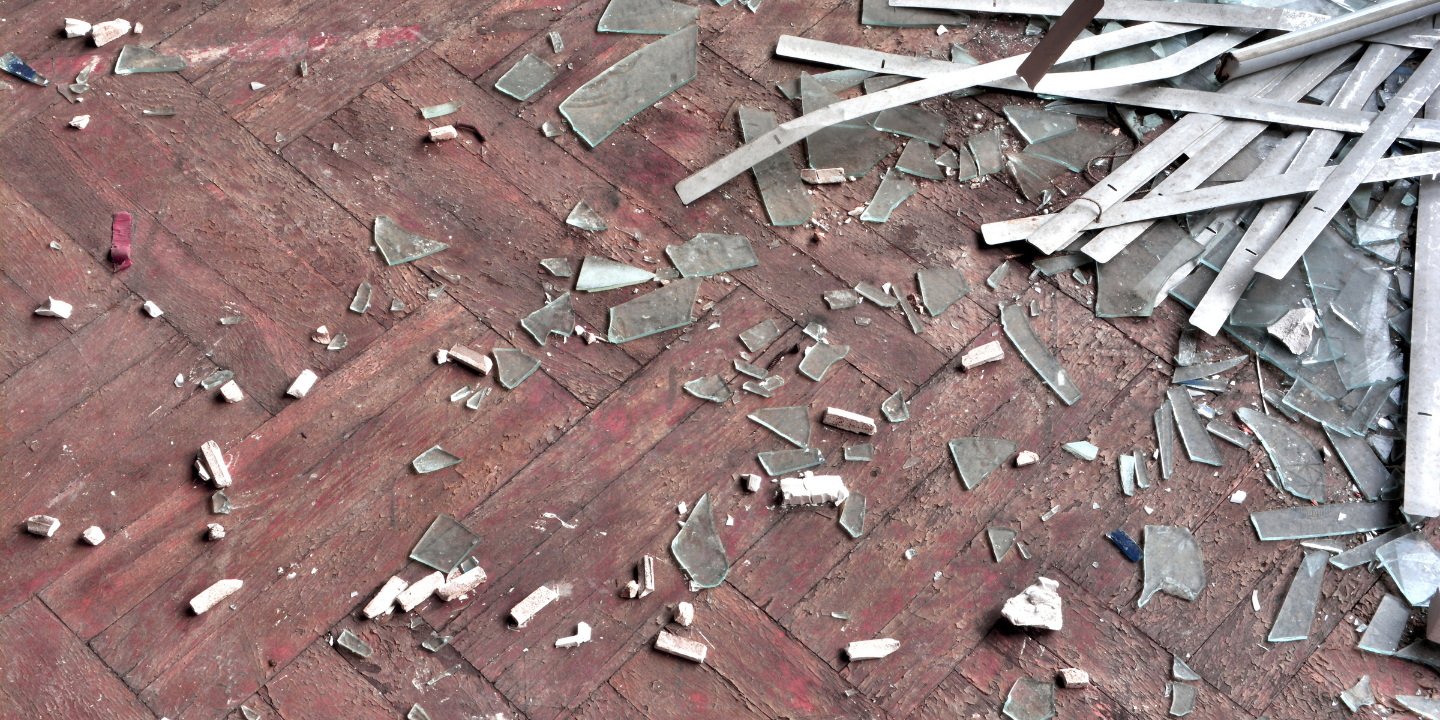
Before glass becomes tempered or laminated, it starts out as annealed glass. This is the most basic form of glass, cooled slowly during manufacturing. Annealed glass is not treated for extra strength or safety. When it breaks, it can shatter into large, sharp pieces.
Because of this, many areas require a safer option. Manufacturers use annealed glass as the starting point. From there, they apply different processes to create tempered or laminated glass.
What Is Tempered Glass?
Tempered glass is treated with heat and rapid cooling. This process makes it much stronger than standard glass. It’s also designed to break differently for safety.
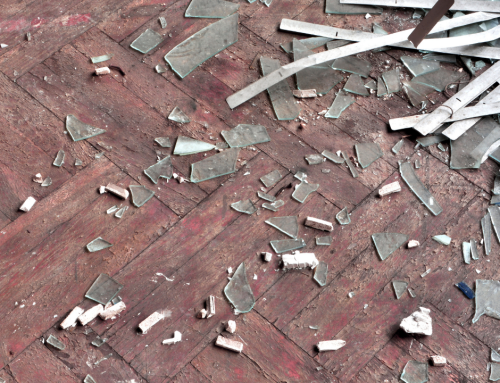
If tempered glass breaks, it shatters into small, somewhat rounded pieces. These pieces are far less likely to cause injury than sharp shards.
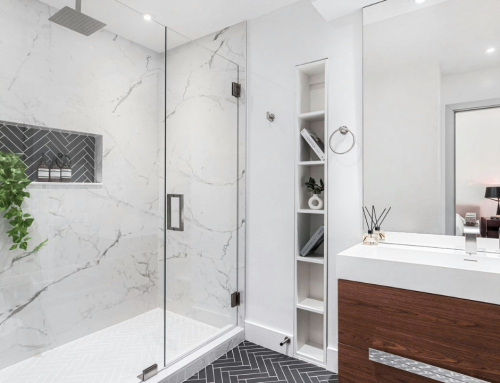
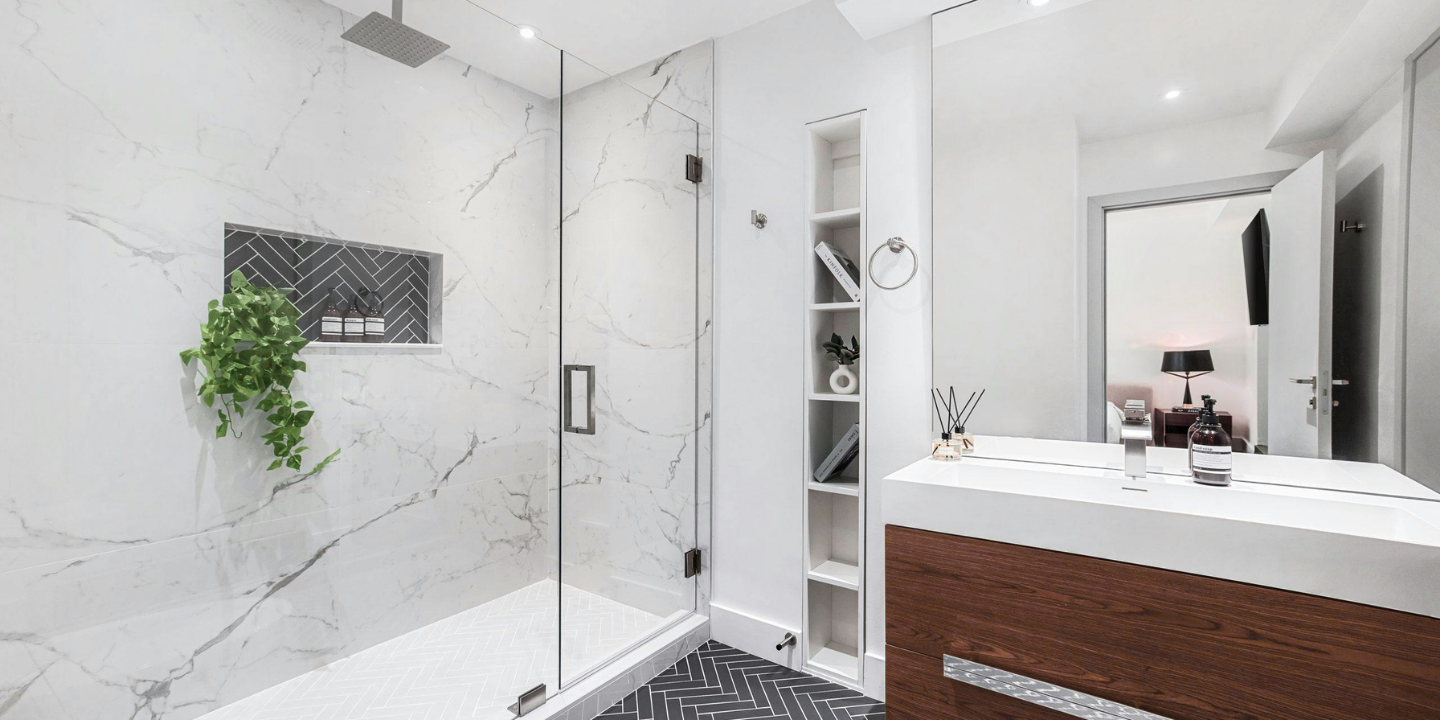
You’ll often find tempered glass in:
Many of these uses are required by building code. If you’re replacing glass in one of these areas, tempered glass is likely already a requirement.
What Is Laminated Glass?
Laminated glass is made by bonding two layers of glass together. A durable interlayer, usually a plastic film, holds them together. This construction gives it a different set of benefits than tempered glass.
Instead of shattering into pieces, laminated glass tends to crack in place. The interlayer holds the broken glass together. This is similar to how a car windshield behaves after impact.
Laminated glass is a popular choice for:
Laminated glass offers a strong combination of security, UV protection, and impact resistance, making it a solid choice for many homes and businesses. Some customers are also drawn to it for potential noise reduction, but glass alone doesn’t guarantee a quieter room. Frame type, wall construction, and overall installation all play a role.
Not all windows are created equal and in some cases unable to accept laminated glass. Before considering this glass for your home, speak to our experts who can walk you through what to expect based on your specific space.
Tempered vs. Laminated: Key Differences
Both types of glass improve on standard annealed glass. But they solve different problems.
Tempered glass is generally more affordable and widely used. It’s a strong, reliable, cost-effective choice for everyday safety applications. Laminated glass costs more but offers different benefits such as security and UV protection.
Tempered glass breaks completely, leaving an open gap. Laminated glass stays in place even after it cracks. This makes laminated glass a better fit for overhead glazing or fall protection.
Which One Do You Need?
In many cases, the type of glass you need depends on where it’s going. Building codes often require tempered glass in showers, doors, and railings. If security or UV protection are a priority, laminated glass may be a better fit.
If you’re unsure what’s required or recommended for your project, that’s a normal question to have. A quick conversation with our team can help clarify what fits your space and your budget.
Ready to Explore Your Options?
Choosing the right safety glass doesn’t have to be complicated. Whether your priority is code compliance or extra security, we can help you find the right fit. Fill out the quote form on our homepage to get started.